
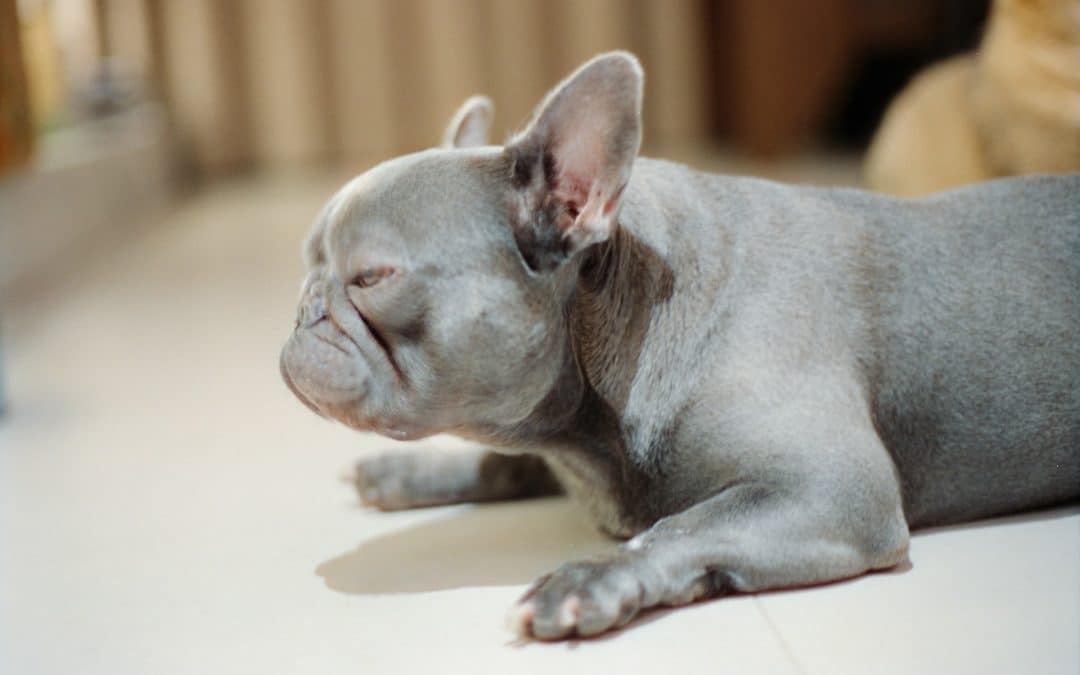
Winter might bring cozy moments and chilly walks, but it also brings changes that can affect your dog’s skin. Colder air and indoor heating systems dry out the air, making it harder for your dog’s skin to stay comfortable. If you’ve noticed flaking, itching, or patches of dryness on your dog this time of year, you’re not alone. Just like people, dogs can start to feel the impact of winter on their skin.
Helping your dog stay happy and itch-free during the colder months doesn’t have to be complicated, but it does take a few changes in your routine. Regular grooming adjustments, a few environmental tweaks, and paying attention to the signs can go a long way. Whether your pup spends more time snuggled up indoors or romping in the chilly Nashville weather, keeping their skin healthy now can save them from discomfort later.
Common Causes Of Dry Skin In Winter
Even if your dog seems fine playing outside or lounging around the house, winter conditions can sneak up on their skin. Cold air outside and artificial heat indoors both have one thing in common: low humidity. This drier environment strips moisture not only from the air but also from your dog’s skin.
Outdoor walks during winter might expose your dog to sudden temperature shifts, while long hours indoors with the heat running dry out their coat and skin over time. It’s not just the air though. Less frequent baths in winter to avoid chills can lead to excess buildup of oils and dead skin. Diet changes around the holidays may also mean your pup isn’t getting the nutrients they’re used to, which can affect the health of their skin and coat.
Here are some things that can impact your dog’s skin during winter:
1. Cold wind and freezing temperatures that numb or dry the skin
2. Indoor heating systems that reduce moisture in the home
3. Lower humidity in general, creating a dry environment
4. Fewer grooming sessions, leading to buildup of dead skin
5. Changes in diet, such as treats or table food, that lack skin-supporting nutrients
You might also notice dogs licking or scratching more than usual. This is how they deal with discomfort, but constant scratching can lead to raw or cracked skin if left unchecked. If your dog usually has a sleek, shiny coat but now seems dull or flaky, seasonal dryness might be the reason. It helps to stay ahead of these issues so your dog doesn’t end up with hotspots, itchy patches, or other irritations that take longer to heal.
Preventative Grooming Tips
When it comes to dry skin, routine grooming isn’t just for appearance. It’s part of keeping your dog comfortable. Preventing dryness starts before any irritation shows up, and grooming is your first line of defense.
One of the best things you can do is brush your dog regularly. This helps distribute natural oils across the coat and keeps skin from drying out unevenly. Making brushing part of their weekly routine supports healthy circulation and reduces build-up of dead hair or skin.
A few other winter grooming tips that make a difference:
– Use a humidifier in rooms where your dog spends the most time. It adds moisture back into the air
– Bathe your dog using a moisturizing shampoo made for dogs. Human shampoos are often too harsh
– Don’t over-bathe. Wash your dog every few weeks unless they get into something messy
– Always dry them well after baths or snowy walks. Wet spots can become irritated if left damp
– Use paw balms or protective waxes, especially if your dog walks on salted roads or icy sidewalks
Frequent grooming checks also give you the chance to inspect your dog’s skin for any rough spots or irritations before they get worse. Not every dog needs the same grooming schedule, so it’s worth adjusting based on your dog’s coat type and routine. Dogs with a double coat or who shed seasonally may need longer brushing sessions in winter.
Brushing and bathing with the right tools and products plays a huge role in keeping your dog healthy all winter long. These small changes to your routine can help keep dryness, licking, and irritation from becoming a cycle that’s hard to break.
Treating Dry Skin Issues
Even with great prevention habits, dry skin can still pop up. If you start to notice flaky areas, patches of dull fur, or your dog scratching the same spot over and over, it may be time to treat it directly.
Start by checking where the dryness is showing up. Common spots include near the tail, behind the ears, on the elbows, and across the belly. Watch for redness, scabs, flaking, or any sign of hair loss. Once you’ve identified the rough areas, keep your treatment gentle and avoid products that could sting or dry out the area more.
Here’s one way to help soothe dry areas:
1. Gently brush the area to remove loose flakes
2. Wipe with a warm, damp cloth to clean the spot—no need to soak
3. Apply a moisturizing balm made for dogs. Look for oatmeal, shea butter, or aloe-based products
4. Distract your dog to keep them from licking the area. Some dogs may need a soft shirt as a barrier
5. Repeat treatment once or twice daily until the skin improves
If you’re already doing regular grooming and your dog’s environment has balanced humidity, you can also explore skin-supporting supplements. Omega-3 fatty acids from dog-safe fish oils are commonly used to help with coat softness and hydration. Always talk to your vet before starting new supplements, especially for dogs on specialty diets.
Keep up with routine vet checkups too. Sometimes dry skin is a sign of something else. Allergies, hormone imbalances, or parasites can all cause similar symptoms. If nothing seems to help or your dog’s condition is getting worse, a vet visit is the next step. Early treatment for a hidden issue can keep your dog much more comfortable and cut down on long-term issues.
Signs To Watch For
Dry skin isn’t always easy to see right away. It can start small and slowly get worse, so spotting the signs early is important.
Here are some things to watch for:
– White flakes appearing in your dog’s fur or around their bedding
– Frequent licking, chewing, or scratching in one area
– Red, inflamed skin, particularly on the belly, legs, or joints
– Rough patches or dull, uneven coat texture
– Thickened skin or scabs around elbows, paws, or ears
If your dog was sleeping peacefully before but now seems restless or keeps licking during the night, check for dry, itchy skin. Even a small patch can leave them irritated enough to disrupt sleep.
Watch for changes in behavior too. A dog who seems grumpy or distant might be dealing with discomfort they can’t explain. Even if they’re not whining or yelping, they could be struggling with itchiness or dry patches.
Some symptoms mean it’s time to see your vet right away. If the dryness spreads, starts to ooze, smells bad, or turns into open wounds, it could point to something more serious like a skin infection or parasite issue. These problems can’t be treated with home care alone.
How to Keep Your Dog Comfortable Through the Season
Dry skin doesn’t have to be something your dog just lives with until spring. Staying on top of it makes a big difference. Routine grooming, moisture support in the home, and safe skin treatments can go a long way toward keeping your dog cozy and comfortable.
Nashville winters can be unpredictable, and that back-and-forth between outdoor chill and indoor heat can be rough on your pup’s coat. Start by noticing how your dog’s skin looks and feels as temperatures drop. That awareness helps you step in before mild issues grow into frustrating ones.
Give your dog the care they need—from regular brushing with moisturizing shampoo to protecting paws from salt and ice. And always check in with your vet if something doesn’t sit right. Being proactive is the best way to help your dog enjoy winter without the itch.
A few small changes and steady attention will help your dog coast through winter with comfort, keeping their skin soft and their tails wagging through the holidays and into the new year.
When your pup’s comfort is at stake, don’t let dry skin issues linger. Keep their coat healthy and free of itchiness with professional dog grooming that cares for their skin’s needs year-round. At The Dog Spot, we’re committed to keeping your furry friend comfortable and happy through every season in Nashville.